Phoenix, February 2025.
I arrived in Phoenix without a clear plan for what came next. It felt like a place I had stepped into rather than chosen. The city didn’t try to adjust to that. The light was hard on everything, the distances took more out of you than they should have, and nothing moved at your pace. You either found a way into it or you didn’t.
At first, I didn’t. I moved through it without much attention, keeping track of time without meaning to, treating it like somewhere I wouldn’t be for long.
That changed once people started coming out. Friends would stay a few days at a time, and the same places stopped feeling the same. Nights went longer than planned, and whatever structure I had tried to keep started to fall away. Arizona became easier to move through once it wasn’t just me in it.
After that, I started to notice what worked. Where I’d go in the afternoon just to get out for a bit. Places that didn’t ask much of you. Spots that made sense whether I was with people or on my own. A few that felt familiar, even if they weren’t.
It didn’t change how I felt about being there. It changed how I carried myself while I was.
I stopped tracking how long I had left.
I kept going back to the places that made sense.
Changing Hands Bookstore – Phoenix, AZ
I have a habit of finding bookstores wherever I go. Not just to browse, but to step out of everything else for a while. In Arizona, that place became Changing Hands Bookstore.
What stands out isn’t just the books, it’s the sense of scale. Arizona feels larger there. Not geographically, but culturally, intellectually. There are two locations, one in Phoenix and another in Tempe, each built around the same idea: that a bookstore can still be a place people gather, not just pass through.
The shelves carry both new and used titles, but the layout leans on intention. Staff recommendations are handwritten, direct, and specific. They don’t read like marketing copy. They read like someone making a case.
The space extends beyond books. There’s a coffee bar, seating that invites you to stay, and at the Phoenix location, a small bar serving beer and wine. I went there to work, but most of what I did was write—notes, drafts, fragments. It’s one of the few places where time doesn’t feel segmented.
Last April, the store hosted a pop-up called the “Banned Bookstore.” It focused on titles that have been challenged or removed from schools and libraries. Each book was paired with the reason it had been banned. The effect was direct: you could read the objection, then look at the book, and decide for yourself.
Part of the proceeds supported Unite Against Book Bans, but the point wasn’t just fundraising. It was access. The display made clear how often the label “offensive” becomes a tool for limiting what people can read, and by extension, what they’re allowed to consider.
I spoke briefly with one of the owners, Cindy Dach. She was direct about what the store is trying to be: a space for readers, for conversation, for ideas that don’t always sit comfortably. That clarity explains why the place works.
Some bookstores sell books. Others build environments around them. This one does the latter.
UCHI – Scottsdale, AZ
Scottsdale is where Phoenix finally feels like a night you plan.
Not wandering like in Phoenix—this is getting ready, meeting up, staying out. Ours ended up being a double date at Uchi Scottsdale.
I’d been to Uchi in West Hollywood and Washington, D.C., so I knew the pace. But this one felt more fun about it, less quiet, more back-and-forth, more “try this” and passing plates around. We started with the omakase and immediately went past it. Caviar came out first—trout roe, Siberian sturgeon, osetra, with pâte à choux and yuzu crème fraîche. We were building bites, comparing them mid-conversation. The trout roe popped and disappeared, the osetra slowed you down for a second. No one was sitting there quietly, you’re talking over each other trying to explain why one hits more than the other.
My guy locked into the bluefin, so that took over the table, chutoro, otoro, otoro gunkan with caviar, kama toro. That was the moment. The otoro barely holds together, just melts, and the one with caviar somehow makes it richer without being too much. You could tell everyone clocked it at the same time. Then soft shell crab shows up, crispy, warm, and resets everything without anyone saying it. The hot rock wagyu comes after, and now we’re cooking it ourselves, passing pieces around, laughing because it breaks that polished rhythm in the best way. I stayed on whiskey. Started with a citrus Old Fashioned with Suntory, light, clean, easy. Then switched to the Kenja with Wild Turkey rye, which had more weight once the food got richer.
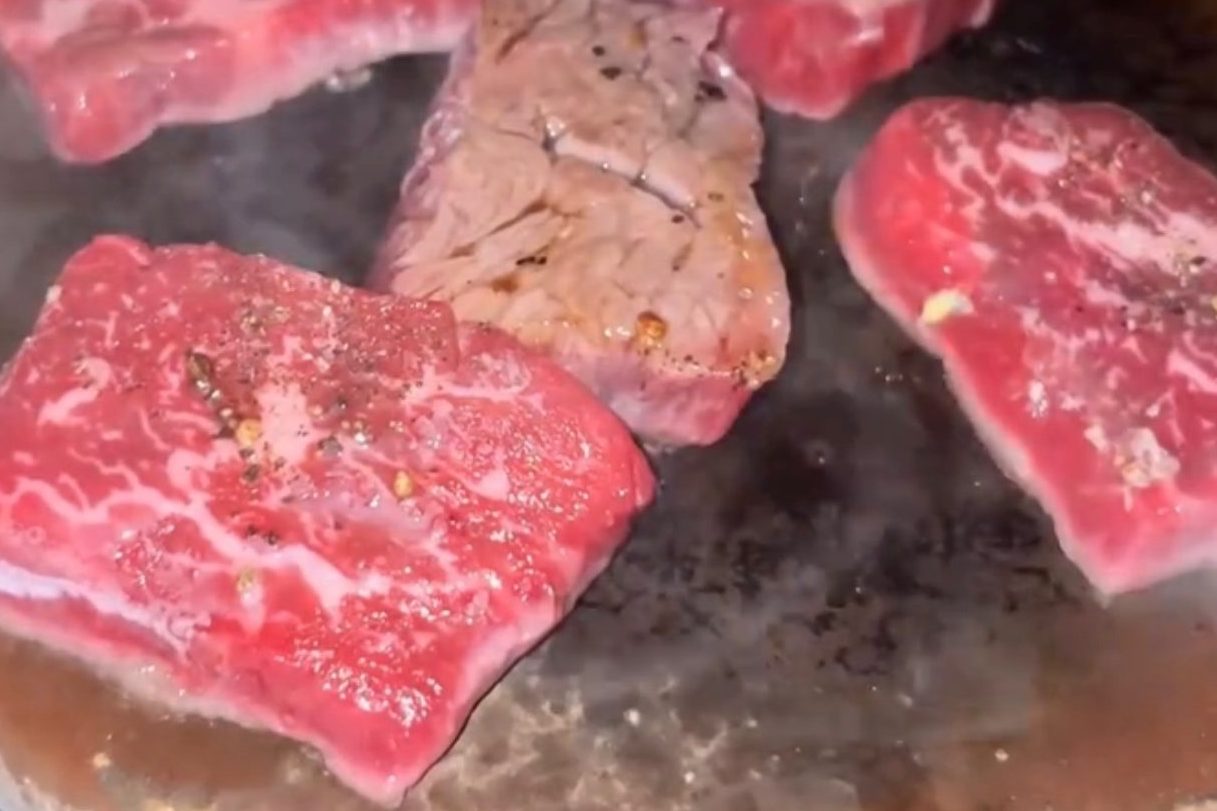
There was a bottle of Pinot Noir open, then Krug Grande Cuvée with the caviar, and a Chenin Blanc somewhere in between. It never felt like “ordering drinks,” it just kept up with everything else. At some point you stop tracking what’s coming out. The table keeps changing, conversations jump, plates disappear, new ones show up. We ended up staying way longer than we planned. And yeah, we spent a lot, closer to $2,000 for four people by the end of it. But it didn’t feel like that kind of place where you have to do it that way. You can just as easily come in, keep it around $150–$200 per person, and still get the full experience. The staff actually helps you do that, which matters.
I went back every week to get their takeout. I recommend
JL Pâtisserie – Phoenix / Scottsdale, AZ
When I first got to Arizona, JL Pâtisserie was one of the first places that made the state feel less impossible. I found the Scottsdale location first, back when it still felt quiet enough to sit with a book and disappear for a while. I would go in pretending I was there to read, but really I was missing Paris, Madrid, and Leo, sitting in the middle of Arizona wondering how I had ended up so far from all three.
Then the pastry would come out, and Phoenix would lose the argument for a second.
JL Pâtisserie is owned by Jenna Leurquin, who trained at Le Cordon Bleu Paris in both cuisine and pastry before working under chefs in Belgium and Paris. That matters because the bakery doesn’t taste like a place trying to imitate Europe from memory. It tastes like someone learned the rules properly and brought them back intact.
The first time I went in, I had no idea what to order. I stood there looking at the case too long, probably making the decision worse the longer I stared. Jenna was behind the counter and helped me narrow it down: chocolate croissant, pistachio macaron. That was the right place to start. The croissant had that crisp outside, soft center, layered pull that makes you understand why people get annoying about pastry. The pistachio macaron surprised me more because I don’t even consider myself a macaron person, but theirs made me reconsider the entire category.
The rose lychee became my favorite later. If it’s your first time, I’d still recommend starting with the classic French macaron assortment because it gives you the clearest read on what JL Pâtisserie does well: clean flavors, balance, texture, nothing so sweet it wipes out everything else.
Then there are the cruffins, which are worth checking for if they have them. I’ve recently just tried their Sesame Strawberry Cruffin, I admit their lemon raspberry is my favorite thus far, but both had the same appeal: croissant dough shaped like a muffin, filled through the center, so you’re not just getting one good bite at the top and disappointment after. They rotate flavors, which is rude because it makes you start checking their social media like you have a medical appointment with pastry.
Eventually, JL Pâtisserie stopped being just a place I went to sit and became the place I brought home. If people were visiting or I was having dinner at my house, I wanted their cakes and pastries around. My personal favorite was the carrot cake, but Leo’s was the Black Forest. He asked for it again for his birthday when we were in Phoenix, which is how you know it stayed in his head. I also got him the tiramisu because he’s Italian and apparently I like pressure. His verdict was that it doesn’t compare to Italy, but it’s close, which, from him, is not an insult. That is practically a standing ovation.
I also bought their French baguettes all the time because they made Leo’s favorite sandwiches better. Bruschetta with tomato, basil, Parmesan, balsamic and olive oil. Caprese with prosciutto, mozzarella, heirloom tomatoes, pesto and arugula. Simple sandwiches, but only if the bread is right. JL Pâtisserie’s baguette made them feel like actual food instead of me assembling ingredients and hoping for romance.
And then, of course, everyone found out.
An influencer tried to get free food, got denied, and posted a fake review, which somehow turned into the best accidental marketing campaign possible. Suddenly JL Pâtisserie was everywhere. Videos started hitting my For You Page from people all over the world, Keith Lee visited, and the quiet little place I used to escape into became the place where you had to show up early and hope the case wasn’t already cleared out.
I’m happy for them. They deserve the attention. But I would be lying if I said I didn’t miss the old version a little—the one where I could walk in, order a chocolate croissant, sit with my book, and pretend I was somewhere closer to Paris than Phoenix.
Two Weeks in Sedona
We stayed in Sedona for two weeks at L’Auberge de Sedona, long enough for the place to stop feeling like a stopover and start feeling like something that could hold. The cottage sat a little apart, facing the red rock, quiet in a way that made you notice your own breathing. King bed, bath that steamed up the windows, an outdoor shower that felt colder than you expected in the morning. There was a deck, and that’s where the days began. Coffee, no talking unless it mattered. The sun came over the rocks slow and steady. Nothing urgent followed it.
He called it a relaxing trip. Said it like that was the point. But he had chosen Sedona too carefully for it to be only that. There was something he was trying to settle, or prove, or maybe undo. You could feel it in the way he watched the mornings, like they might answer him back. For a while, it almost did.
We didn’t plan much. When we did, it was enough for the whole day. The wine country sits just outside town, close enough that the drive feels easy but far enough to change the air. We went first to Page Springs Cellars, then on to Caduceus Cellars, and Arizona Stronghold Vineyards. You sit down for a tasting and think you’ll move on after, but you don’t. You argue over what’s good. You order another glass to be sure. You change your mind. Time stretches out and loses its edges. By the time you leave, the light has shifted and the day has gone with it.
The spa moved the same way. We booked it through the hotel, part together, part alone. The couples session lasted a few hours, but it didn’t register as time passing. You stop counting minutes in a place like that. You lie still, you let it happen, and you don’t rush the end. After, I stayed for my own treatments, dermaplaning, the Chai hands and feet renewal, the High Desert Glow. Each one took its time. Long enough that when you walked out, you could feel the difference in your skin, in your body, in the way you carried yourself back into the day.
Nothing there asked anything of you. That was the strange part. It just gave you space and waited to see what you would do with it.
Uptown Sedona
Uptown is where you go when you don’t want to decide anything. You park once and leave the car where it is. After that, you just walk. No map, no order to it. The street carries you along whether you think about it or not.
It’s all close together in a way that makes it blend. Shops turn into galleries without much notice. One window catches your eye, then another. Jewelry in one place, then paintings, then something small and handmade you didn’t expect to stop for. You don’t go looking for anything specific. It’s already in front of you by the time you realize you’re interested.
We’d step into a gallery, stay a few minutes, say what we thought, then move on. Nothing formal about it. Then later we’d circle back to one of them without planning to, because something from inside stayed with us. That’s how it works there. One room feels old and careful, the next feels newer, sharper. They sit side by side without trying to match.
There’s no pressure to understand it. You don’t need a reason to be there. You walk in, look around, leave when you’re done. If you buy something, it’s usually small enough to carry, something that feels like it belongs to you after, not just something tied to the trip.
That’s what Uptown became. Not a destination, just a place that took up the space between plans. It slowed the day down without stopping it. After a while, you leave it behind and the quiet comes back.
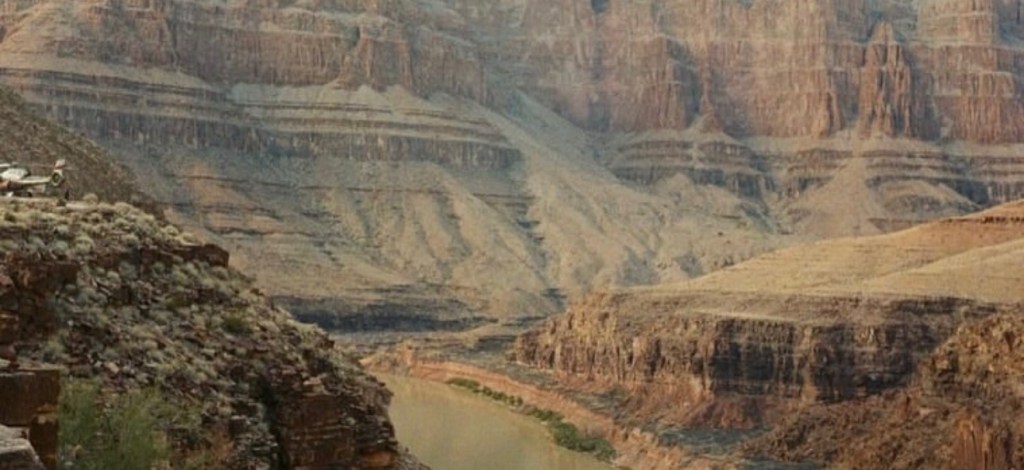
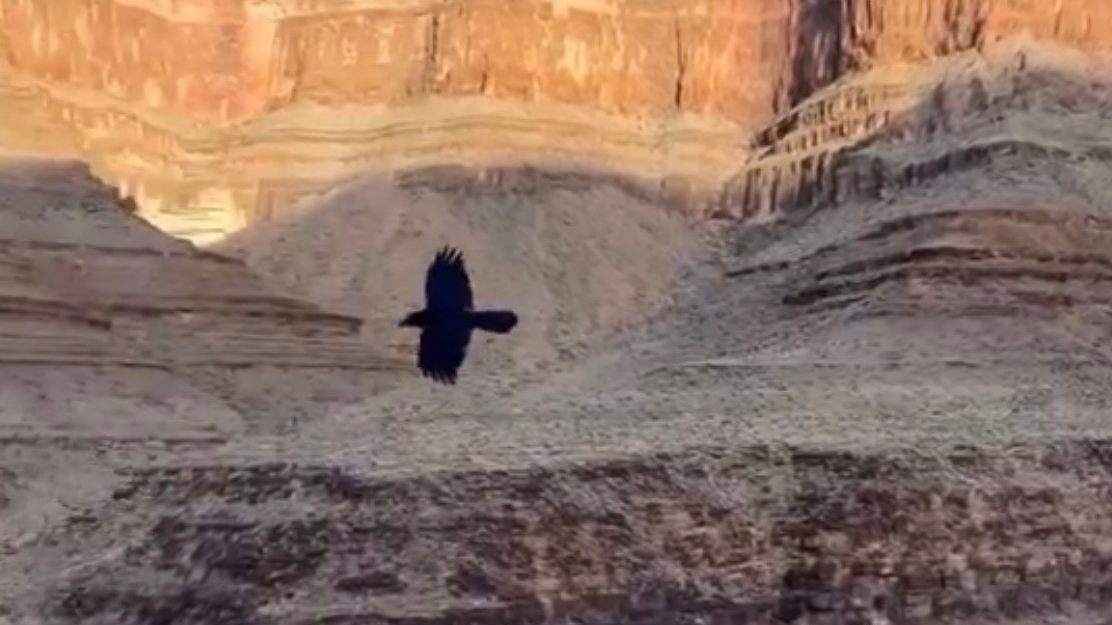
The days we planned were the ones in the air. We set those ahead of time, left them alone until they came up, and then let them take the whole day. We booked through Guidance Air and did the helicopter and RZR together. About five hours, but it doesn’t register like that. You start in the air, lifting out from Airport Mesa, the town falling away faster than you expect. The noise drops off once you’re out past it. The canyons open up, quieter, wider. You climb toward the Mogollon Rim, then come back down through the rock, close enough to see the lines in it, the way it breaks and holds. You pass the Sinagua dwellings set into the canyon walls. You don’t land. You move through it, and that keeps it from feeling staged.
On the ground it’s different. Same land, but it pushes back a little. The RZR takes you over it instead of through it. You feel the uneven parts, the dips and loose rock, the way the sound disappears once you’re far enough out. There’s no one place you stop and stay. It’s the movement that fills the time.
Another day we went farther. We flew out to the Grand Canyon. That one takes the full day and doesn’t try to hide it. You leave Sedona by helicopter, land near the rim, and everything slows once you’re there. A guide takes you along the South Rim. You stop at Grandview Point, the Desert View Watchtower, and other overlooks that don’t feel crowded if you take your time. You walk a little, stand still longer than you expect to. You look instead of moving on. There’s a break in the middle for lunch, nothing complicated, just enough to keep you there. Then you make your way back the same way.
We did a lot, but it never stacked up on itself. Everything came through the hotel, easy to set, easy to leave alone once it was set. You could do half of it and it would still feel like enough.
For context, we didn’t hold back. Two weeks at L’Auberge de Sedona, along with the spa and the helicopter days, added up quickly. None of it was necessary. There are smaller packages, quieter seasons, simpler ways to do it. The place doesn’t change because you spend less.
That was the part I didn’t expect. It wasn’t about how much we did. It was how long everything lasted once it started, how easy it was to stay in it without thinking about what came next. Sedona gives you space and leaves you alone with it.
What you do with that is up to you.
Kingman, Route 66 and more
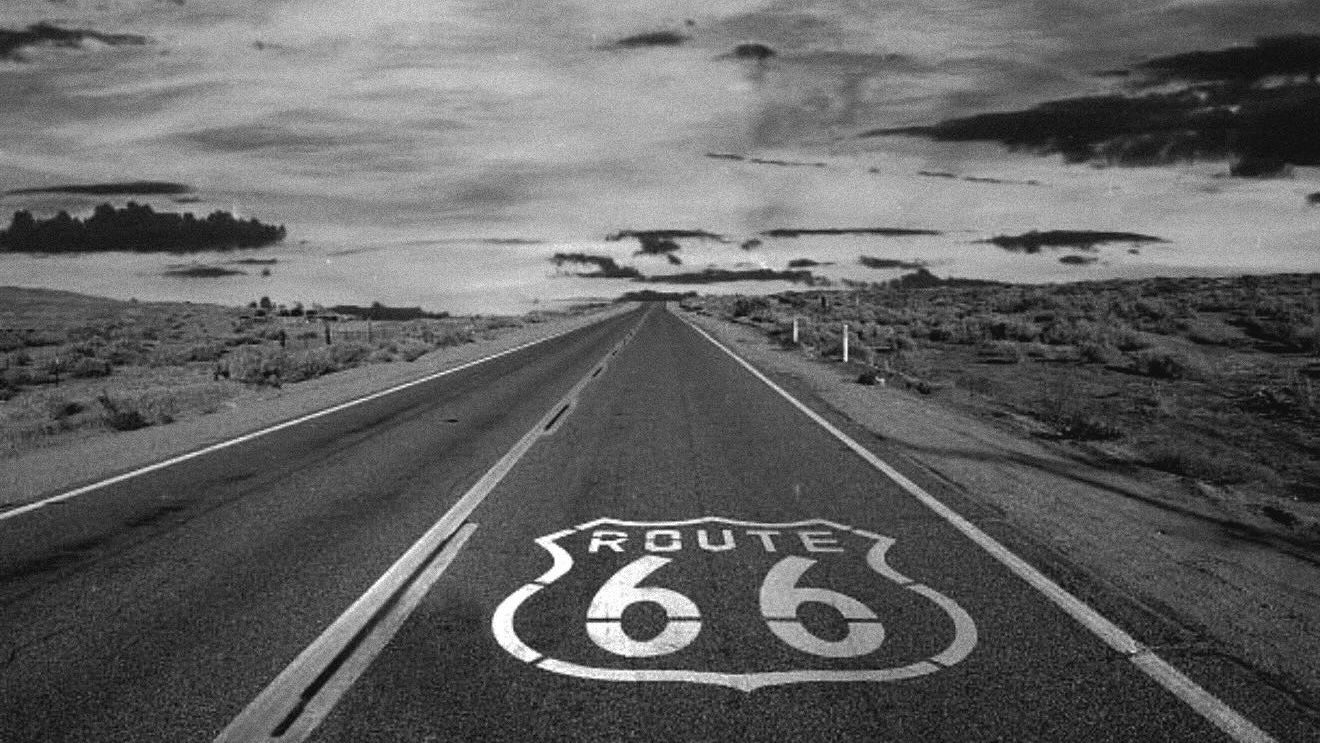
You don’t send someone to Kingman unless you’re either testing their character or you know they deserve it a little.
Mine came disguised as work, but my boss, framed it like a sentence being handed down. Not seriously, just enough to make it land. Something about “a consequence for poor judgment,” which, considering the year I’d had, felt a bit on the nose. I tried to negotiate my way out of it by presenting my Spaniard friend Philip as a liability—international guest, fragile, possibly confused by desert life. Unfortunately for me, Philip speaks perfectly fine English. He also made it clear, within minutes, that he did not support my decision-making or my current geographic situation. He still went tho.
The thing about that part of Arizona is it’s honest. Not subtle, not curated, just… there. And noticeably cheaper than the lives some people try to perform from it. Which, I’ll admit, was satisfying in a quiet, petty way.
We pulled into the Hampton Inn & Suites in Kingman, got out of the car, and Philip just paused for a second, taking it in, the building, the parking lot, the fact that this is where we ended up. “So this is what love got you.” I started to say something, timing, circumstances, all of it, but it sounded bad the second it left my mouth. He shook his head a little, half laughing. “You flew across the world for this”, He glanced back at the hotel, then at me again. “This takes commitment.” There wasn’t really a comeback for that. Just the quiet realization that sometimes the explanation doesn’t help, it just confirms it.
Inside, he decided to educate me by putting on Cars, because apparently I’d missed a core cultural experience. Halfway through, he paused it to explain that Radiator Springs is basically stitched together from real Route 66 towns Kingman, Seligman, Peach Springs, Oatman, all bypassed when Interstate 40 came through and quietly moved on without them. Which felt like a metaphor I did not ask for, in a hotel room I didn’t choose, watching a movie about abandonment.
The next morning, we committed to the bit and started following the route like it was a film location tour with emotional undertones.
Mr. D’z Route 66 Diner
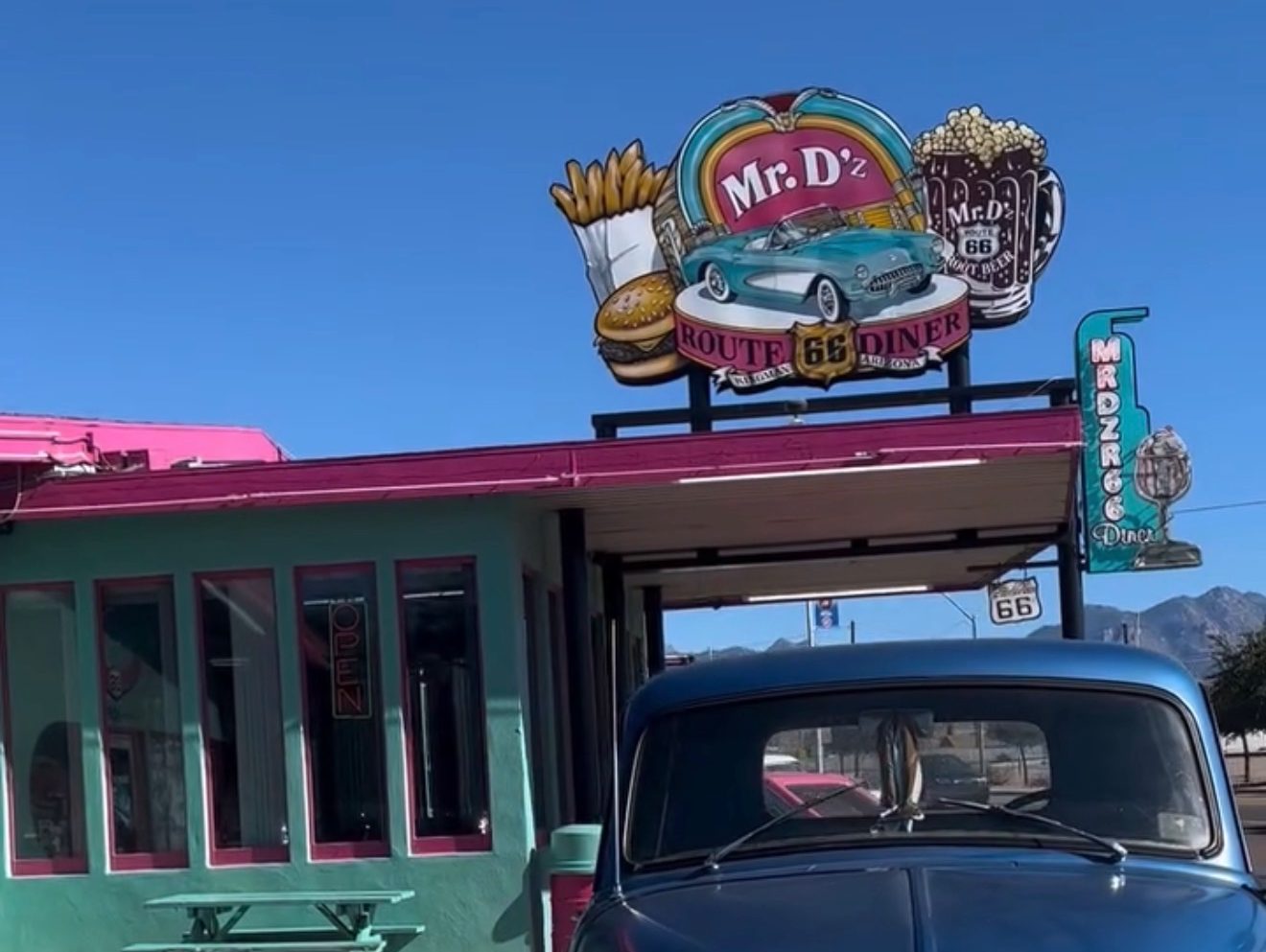
A turquoise-and-pink landmark that looks like it peaked in the best possible decade—we walked in and, without warning, there he was: a full Elvis Presley impersonator, mid-song, like Route 66 had decided to reward me personally for surviving the drive.
Not subtle either. Full suit, full voice, full commitment. The kind of performance where you sit down thinking you’re getting lunch and end up getting a show you didn’t know you needed. As someone who genuinely loves Elvis Presley, I was immediately locked in. No notes. No irony. Just me, fully invested, like I’d planned this stop my entire life.
As someone who genuinely loves Elvis Presley, I was exactly where I needed to be. Completely locked in. No hesitation. Philip didn’t even question it. He just nodded like, of course this is happening to you specifically.
We ordered like people who understood the assignment:
- Root beer float
- Popsicle float
- Patty melt
- Chili dog and fries
- Two cokes
And honestly, it delivered. The floats alone were worth it—cold, sweet, exactly what you want after being out in that kind of heat. The food was classic diner in the best way, nothing complicated, just done right.
Philip still had his opinions—he always does—but even he admitted it worked. It was one of those stops where you’re not rushing, not checking your phone, just sitting there for a bit longer than you planned because it feels easy to.
If Route 66 is about anything, it’s places like this. Simple, a little loud, a little nostalgic, and somehow exactly what you needed without realizing it.
Total damage: $75.00 Which, considering we got lunch and a live Elvis set in the middle of nowhere, felt like a bargain.
And still, I stand by the floats.
The Road to Seligman, Arizona
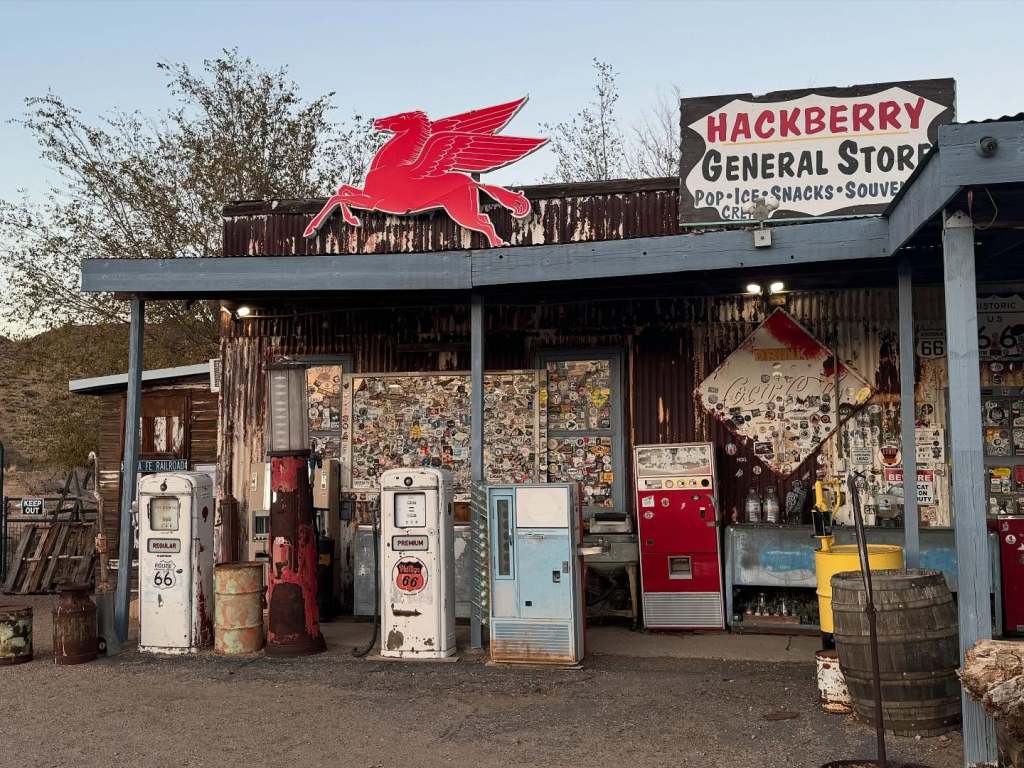
We started in Kingman and headed out, not too far at first—about 25 minutes—to Hackberry General Store.
It’s the kind of stop you don’t overthink. You see it, you pull over.
Old cars out front, gas pumps that look like they haven’t moved in decades, signs layered over each other like no one ever decided to stop adding things. It’s not organized, but that’s what makes it work. You just walk around, point things out, double back, find something you missed. Philip was immediately into it. Which, to be fair, validated his entire Cars explanation, so I let him have that. From there we kept going—another 20–30 minutes—into Seligman, which is where everything starts to feel a little louder, a little brighter, like the road is actually leaning into itself.
This is where Philip decided to double down: this is Radiator Springs. And honestly, it kind of is. We stopped at Delgadillo’s Snow Cap Drive-In, which feels like it was built by someone who thought, “What if we just had fun with this?” and never stopped. Hot dogs, Cokes, nothing complicated—but the place itself is the point. Handwritten signs everywhere, stickers across the counter, Route 66 plates and memorabilia packed into every inch.
At some point sitting there, I realized I wasn’t thinking about Phoenix, or work, or any of it. It was just the road, the stop, and whatever came next.
Oatman, Arizona
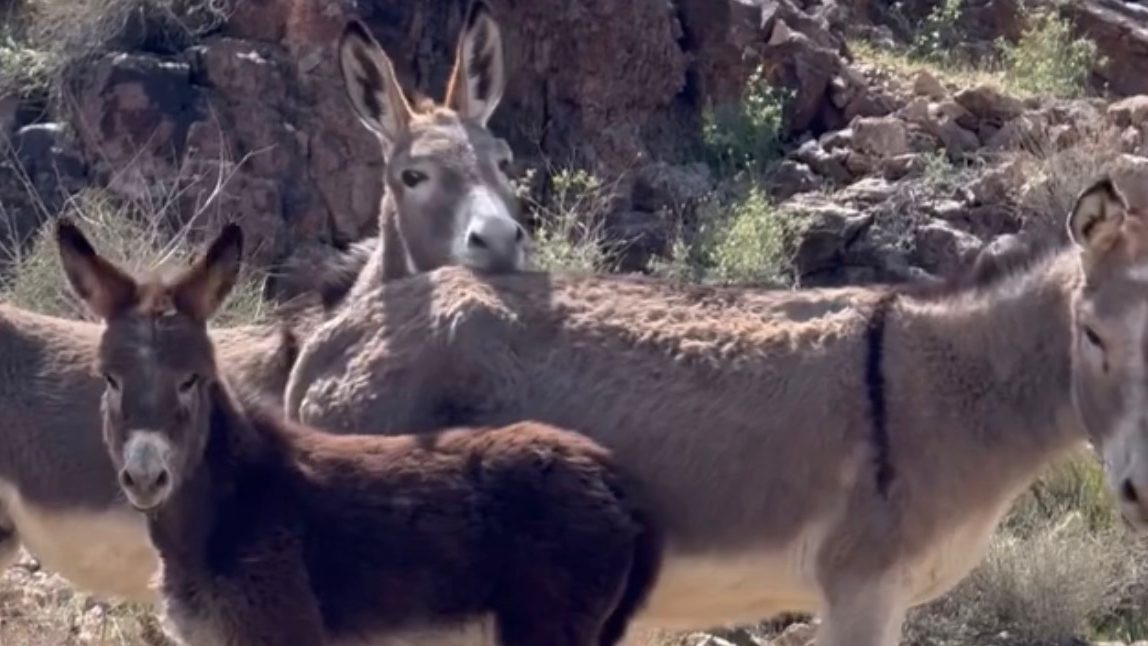
We headed out toward Oatman, about 40–50 minutes from Kingman, and the drive alone feels like a shift—tight turns, mountains, no straight lines long enough to relax into.
Then you get there and the street just… belongs to the burros.
They don’t hesitate, don’t move around you, just walk straight through like you’re the one visiting, which you are. We bought feed and immediately realized this is less “gentle interaction” and more negotiation. One of them got close enough that Philip physically stepped behind me like I was somehow in charge of the situation. Five minutes later he’s feeding them too, pretending he wasn’t just evaluating escape routes.
Right as that settled down, the outlaw show started, no announcement, no buildup, just actors stepping into the street and suddenly there’s a full Western shootout happening in front of you. It’s loud, a little chaotic, and completely committed. Everyone lines up along the sidewalks, it’s really wild. It’s not polished, but it’s fun.
At night, it changes. Same buildings, same street, but everything pulls back. Fewer people, less noise, just scattered light and long shadows stretching across the road. We walked through it half joking that we were “ghost hunting,” which really meant stopping every few minutes like, “did you hear that?” and then immediately deciding we didn’t. Nothing happened. No stories, no proof. But the quiet felt real enough that you didn’t need anything else to happen. On the drive back, Philip finally admitted it—this was better than whatever he thought we were doing when we left Phoenix.
I didn’t argue with him.
Willow Beach, Arizona
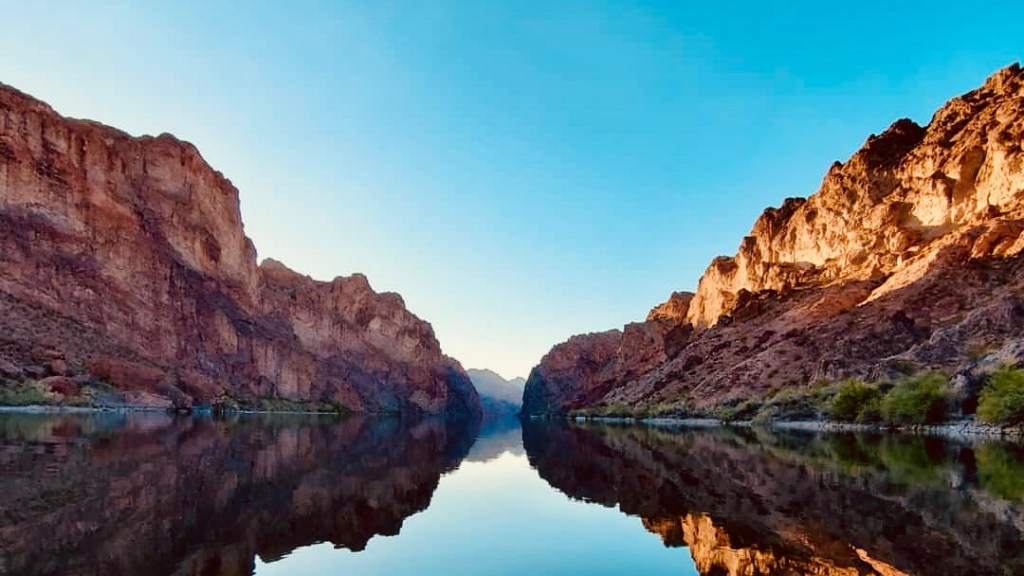
We drove out to Willow Beach—about an hour from Kingman—and rented a tandem kayak.
Out there, the Colorado River runs straight through Black Canyon, and it feels wider than you expect. The water goes still in stretches, clear enough to reflect everything back at you, the canyon walls, the light hitting the rock, the sky sitting flat across the surface. It’s quiet in a way that makes you slow down without thinking about it. We didn’t, at least not at first.
Within a few minutes it was obvious we weren’t in sync. One of us would start paddling, the other would stop. Then we’d both try, just not together. The kayak drifted, we overcorrected, and at one point we were trying to go forward and ended up turned around completely.
Eventually we stopped trying to control it and just let it move. That’s when it got better, drifting through the canyon, pulling into the edges where the rock cuts in, slipping into the small caves where it cools off instantly and every sound comes back at you. We got too close to one side at one point and tipped. It wasn’t dramatic, just a shift, a second too slow to fix it, and then we were in the water. Getting back in took longer. After that, we stopped fighting it. Let the kayak drift more, paddled when it made sense, paid attention to where we actually were.
We didn’t really talk about falling in after that.
London Bridge – Lake Havasu, Arizona
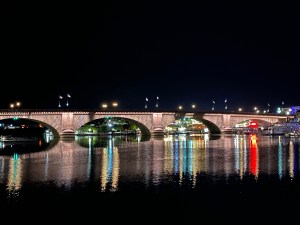
We ended up in Lake Havasu City for a weekend. Friends of mine have a Summer house out there and let us use it, along with their boat, which changed everything immediately. We weren’t packing up every morning or figuring things out as we went. We had somewhere to come back to, leave things, go back out again later. It felt settled for once.
We rented paddleboards, and took them out into the channel under the London Bridge, which, for context, was bought in the 1960s and shipped out here piece by piece because the city wanted something that would bring people into Lake Havasu City. I had already accepted that before we got on the water. Philip had not. We paddled for a bit, then both stopped at the same time and laid back on the boards, letting them drift while boats passed and music carried across the water. That’s when he finally goes, “Wait, so they had all this space… and instead of building something new, they just took someone else’s bridge?” and then sits up like he’s about to solve it. I told him it worked, which immediately made it worse. He looks back at it and goes, “No, but why is this the solution?” and keeps trying to reason it out like there’s a version of this that makes sense if he just gets the missing detail. There isn’t. The longer we stayed there, the more normal it started to feel, which only made it bother him more, and at that point it was funnier to let him keep going than to answer him.
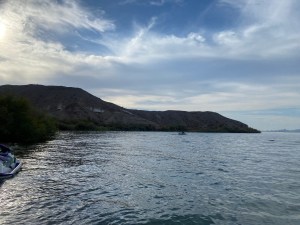
If the London Bridge is the thing you’re supposed to care about, the jet skis are the part that actually makes the trip worth it. We rented from Above Water Rentals, got a quick safety talk that we absolutely nodded through like responsible people, and then immediately treated the “be back before sunset” rule like a loose suggestion. It was not a suggestion.
We started in the channel under the London Bridge, which sounds normal until you remember it is literally a bridge from London sitting in Arizona for no reason other than vibes. Philip had not accepted this. Not when we walked it, not when we were under it, and definitely not when we were riding jet skis beneath it like this was a completely normal afternoon. He just kept looking up at it like, “No, but seriously… why is it here?” and I didn’t have a better answer than “because they could,” which only made him more irritated.
Once you leave the bridge area, it opens up fast. Boats everywhere, music bouncing across the water, people parked in clusters like floating tailgates. That part is fun for about ten minutes, and then we both kind of looked at each other and kept going. We weren’t trying to spend the day in someone else’s speaker system.
Heading out toward Topock Gorge is where it shifts. The water narrows, the red rock walls start closing in, and everything gets quieter without announcing it. You stop paying attention to people and start paying attention to where you are, which, for Lake Havasu, is kind of the point if you let it be.
We ended up cutting the engines in this random stretch where no one else was. Just cliffs, still water, and the kind of silence that makes you realize how loud everything else had been. We swam, got back on, swam again, climbed onto the rocks for no real reason, and then did the thing where you say, “we should probably go soon,” and absolutely do not go soon. That’s where we lost track of time. Not in a dramatic way, just in that quiet, easy way where nothing is pulling you anywhere else.
Eventually we kept moving, and that’s when Philip discovered Havasu’s second design choice. The lighthouses. Replicas of famous U.S. lighthouses just… scattered along the shoreline. After already processing the London Bridge, this pushed him over the edge. He just looks at me and goes, “So now we’re collecting landmarks?” I tried to defend it, which only made it worse. He just goes, “So they moved a bridge across the world and then thought, you know what this desert lake needs? More coastal infrastructure.” At that point it was funnier to let him spiral.
Ghost Mine Saloon
We pulled up to Ghost Mine Saloon by water, docked the skis, and walked in still half wet, sunburned, and starving, which is honestly the best way to show up. The place had that easy, open energy—people coming in from the water, tables full but not chaotic, music in the background without taking over the whole room. No one rushing you, no one hovering either. It felt like they knew exactly what kind of day everyone was having and matched it.
Service was quick without feeling rushed. Drinks came out fast, food followed without that awkward gap where you’re wondering if they forgot about you. Everything landed the way it should.
We started with a mix because nothing on the menu felt like a bad choice. The hummus came out fresh with warm pita and actually tasted like it was made that day, not pulled from somewhere in the back. The shrimp cocktail was cold, clean, exactly what you want after being in the heat. The ceviche had that citrus bite that wakes you back up a little. And the Gold Rush ahi sandwich didn’t last long—light, fresh, and gone before either of us could pretend we weren’t both reaching for it.
For mains, I got The Panner—the tri-tip was tender, coated in BBQ without being overdone, and the bread held up, which matters more than it should. Philip got the 49er pastrami, and it was stacked in a way that made you question your life choices halfway through eating it, but it worked. Juicy, salty, messy in the right way.
We tried both Ghost Mine ales—one blonde, one amber—both easy to drink, nothing complicated, just solid. Then we split the Green Thing, which sounds like a mistake but isn’t. Cold, strong, and exactly what you want after hours in the sun. We ended up ordering another, which is how you know it did its job.
After we ate, we got back on the skis thinking we’d head in, but we didn’t make it far before cutting out toward a quieter stretch where everything opened up—low hills, wide water, no one else around. We killed the engines and let them drift, got in the water, climbed back on, then did it again like we weren’t keeping track of anything. It felt removed from the rest of Havasu, like we had slipped out of the part people crowd into and found what’s left when no one’s trying to turn it into something. That’s where we lost time.
It wasn’t obvious until it was. The light started dropping, the hills flattening out into darker shapes, and then it hit us at the same time—we couldn’t still be out there. You can’t ride jet skis after sunset out here, not legally and not safely, and suddenly that “be back before sunset” talk from earlier wasn’t background noise anymore. We got back on without saying much, engines on, pointed straight back. And then the color changed.
The whole river started turning red, fast, like it wasn’t going to wait for us. It spread across the water, caught in the wake behind us, lit up everything in front of us for a second before it started dropping away. I forgot how much I loved that color until that moment, how it looks when it takes over everything else and then disappears just as quickly. We weren’t watching it the way you’re supposed to. We were chasing it, or trying to stay ahead of it, pushing the skis harder than we had all day because the second it was gone, we weren’t supposed to be out there anymore.
By the time we got back toward the bridge, the light was already slipping. Boats were heading in, everything slowing down like it had been planned properly. We pulled in right on time. Close enough that no one needed to say anything.
I didn’t come to Arizona for the right reasons. I was already thinking about leaving before I got there. Japan felt clearer in my head, like something I could move toward. Arizona was just where I was for the time being.
I treated it that way at first. I moved through it without paying much attention, like it didn’t matter enough to hold onto. But it didn’t stay like that.
Sedona slowed everything down whether I wanted it to or not. The mornings lasted longer than they should have. There wasn’t much to do but sit outside and let the day start on its own. It made time feel stretched, like there was more of it than usual.
Phoenix was different. Louder, faster, easier to disappear into for a few hours. It gave me just enough distance to forget where I was, or at least not think about it too much.
Kingman didn’t make much sense at first. It felt like a place you pass through and don’t think about again. Some of the people there made that part easy. Then I was there with Lip, and it changed. Now when I think about it, I don’t think about them. I think about the drives, the stops, the way the day carried on without needing anything from us.
Lake Havasu was the opposite of all of it. Too much sun, too much time, and still not enough by the end of the day, when we had to race back just to make it in. None of it fit together the way I thought it would. It didn’t turn into anything I had planned.
But it was mine.
 Bleu de minuit